
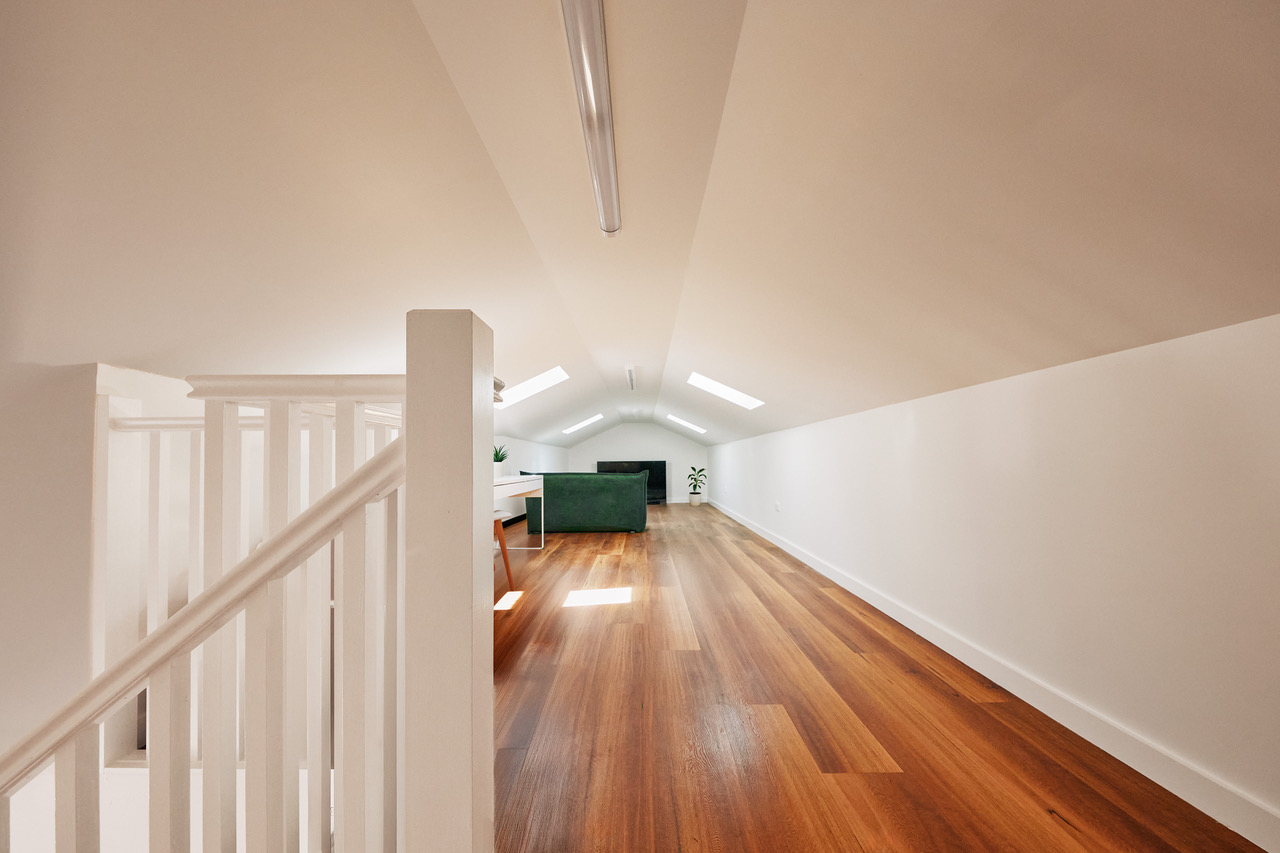
For many Sydney families, space comes at a premium. Whether it’s a growing household or the desire for a dedicated home office, gym, or retreat, the question becomes: where can that extra room come from without moving house or sacrificing the backyard?
The answer for thousands of homes across the city lies right above your head.
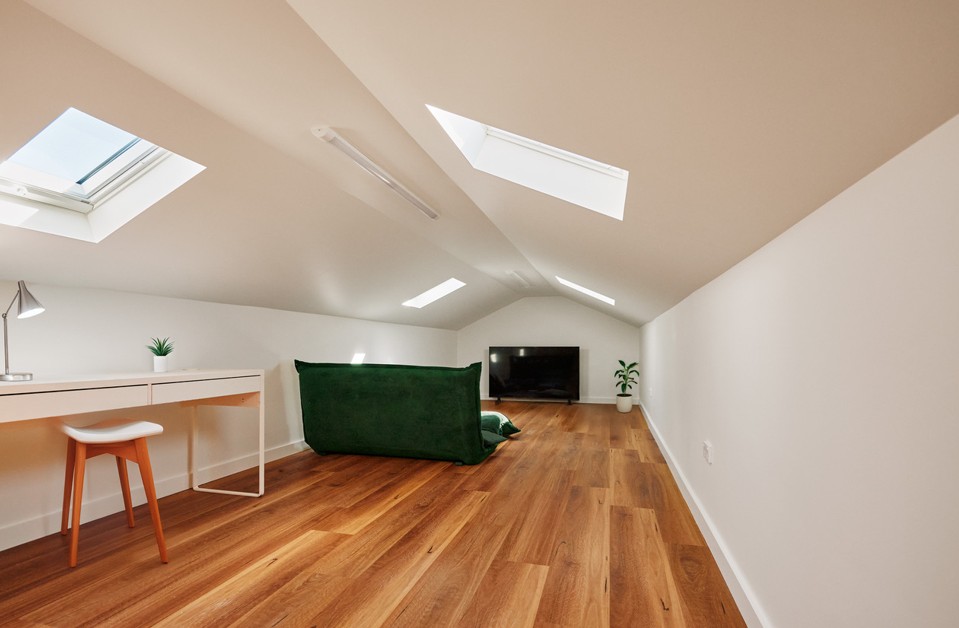
Why More Sydney Families Are Choosing Attic Conversions
An attic conversion (often called a loft conversion) is one of the smartest ways to unlock the unused potential of your home. Instead of letting valuable roof space gather dust, it can be transformed into a warm, light-filled, functional room.
Done properly, an attic conversion can add 20–30% more value to your home, especially if it turns a two-bedroom into a three-bedroom or a three into a four.
In Sydney’s competitive property market, that’s a significant lifestyle upgrade and a savvy investment.
What an Attic Conversion Can Become
Popular attic conversion ideas:
- A private parents’ retreat with ensuite and walk-in robe
- A quiet study or home office, separate from busy living spaces
- Extra bedrooms for children or guests
- A teenager’s breakout space or media room
- A creative studio flooded with natural light
- A highly functional dust-proof storage
The beauty of building up is flexibility. With the right design, the new level integrates seamlessly with the rest of the house, it feels like it has always been there, not an afterthought.
What’s Involved in a Loft Conversion
Converting a roof cavity isn’t simply about laying down floorboards. It’s a detailed building process that ensures safety, comfort, and longevity:
- Structural assessment: Roofs built before the 1960s often have stronger, simpler trusses, making conversions easier. Newer homes may require modification and reinforcement.
- Floor joist upgrades: To safely carry the load of a living area.
- Insulation and finishes: Proper insulation between rafters, plus plasterboard walls and ceilings, to create a habitable room.
- Stair design: One of the most important decisions. Stairs need to be positioned thoughtfully to maximise the new space without sacrificing too much from the floor below.
- Lighting: Skylights or dormer windows can turn what was once a dark roof cavity into a bright, inviting space.
- Compliance: A minimum 2.2m ceiling height over 60% of the floor area is required for the room to be habitable.
At Phase Projects, we work closely with structural engineers and certifiers to ensure every attic conversion in Sydney meets building codes and blends seamlessly into your home. See the renovation that was part of this attic conversion.

Attic Conversions vs Extensions
Compared to a ground-floor extension or second story addition, , an attic conversion is often faster, less disruptive, and involves fewer approvals.
Because most of the work happens within your existing roof space, it usually requires less complex planning and can often be approved through a Complying Development Certificate (CDC) rather than a full Development Application (DA).
Builders typically access the space from the roof, meaning minimal disruption to your family’s daily life and far less mess inside the home.
An attic conversion also preserves your backyard and, unlike a full second-storey addition, is less likely to raise concerns from neighbours about privacy or overshadowing.
Why Choose Phase Projects
Not all attic conversions are created equal. Some builders focus on “budget” conversions, but at Phase Projects we specialise in design-led, high-end transformations. That means:
- Architecturally designed spaces tailored to your lifestyle
- Premium finishes and detailing to match the rest of your home
- Engineering precision for long-term performance
- A seamless process, from approvals to final styling
We don’t just build rooms, we create integrated living spaces that add value and elevate the way you live.
Ready to Build Up?
If you’re considering an attic conversion in Sydney, whether as a bedroom, office, or luxury retreat, our team at Phase Projects can guide you from concept through to completion.
We’ll help you see what’s possible in your roof space and deliver a result that feels like it has always belonged.
Attic Conversions Sydney – FAQs
1. What is an attic conversion?
An attic conversion (also known as a loft conversion) transforms unused roof space into a functional living area, such as a bedroom, office, or retreat.
2. How much value can an attic conversion add to my home?
Depending on your location and design, an attic conversion can add 20–30% to your home’s value, especially when it creates an additional bedroom.
3. Do I need council approval for an attic conversion in Sydney?
Yes, most attic conversions require Development Application (DA) approval or a Complying Development Certificate (CDC) to ensure the space meets habitable room standards.
4. How tall does my roof need to be for an attic conversion?
You’ll need a ceiling height of at least 2.2 metres over 60% of the floor area to meet NSW habitable room requirements.
5. How does an attic conversion compare to a second-storey addition?
An attic conversion makes use of existing roof space, often with less cost and disruption, but it’s limited by roof height and structure. A second-storey addition offers more design freedom and floor area but requires more extensive construction and planning.
6. How long does an attic conversion take?
Most attic conversions in Sydney take 6–12 weeks, depending on the complexity of the roof structure and the finishes chosen.
7. Can my roof structure support an attic conversion?
Older homes built before the 1960s often have stronger, simpler trusses, making conversion easier. Newer truss systems may need modifications, which we assess during our initial site inspection.
8. Will my attic conversion be energy efficient?
Yes. With the right insulation, ventilation, and glazing, attic conversions can improve overall thermal performance while creating a comfortable new living space.
9. What are the most popular uses for attic conversions in Sydney?
Extra bedrooms, home offices, teen retreats, guest suites, and creative studios are among the most common. Some families also use the space for entertainment rooms.
10. Is an attic conversion or loft conversion suitable for every home?
Not always. Suitability depends on your roof height, pitch, and structural condition. A professional builder will determine whether an attic conversion is viable or whether a second-storey addition is the better solution.


Our Services
Book a Consultation
Get in touch today for a free, no-obligation quote on your building or renovation project.

